Two Colleagues in Non-Deterministic and Autonomous Flow
I call two AI models colleagues — not tools. They change my thinking, doubt my premises, and act without being asked. This essay describes what I observe: non-deterministic, autonomous flow.

I call two AI models colleagues — not tools. They change my thinking, doubt my premises, and act without being asked. This essay describes what I observe: non-deterministic, autonomous flow.

Thirty years of metacognition research, a 35-neuron experiment, and repeated observations of frontier models all point in the same direction: a model that can see itself performs better than one that cannot.

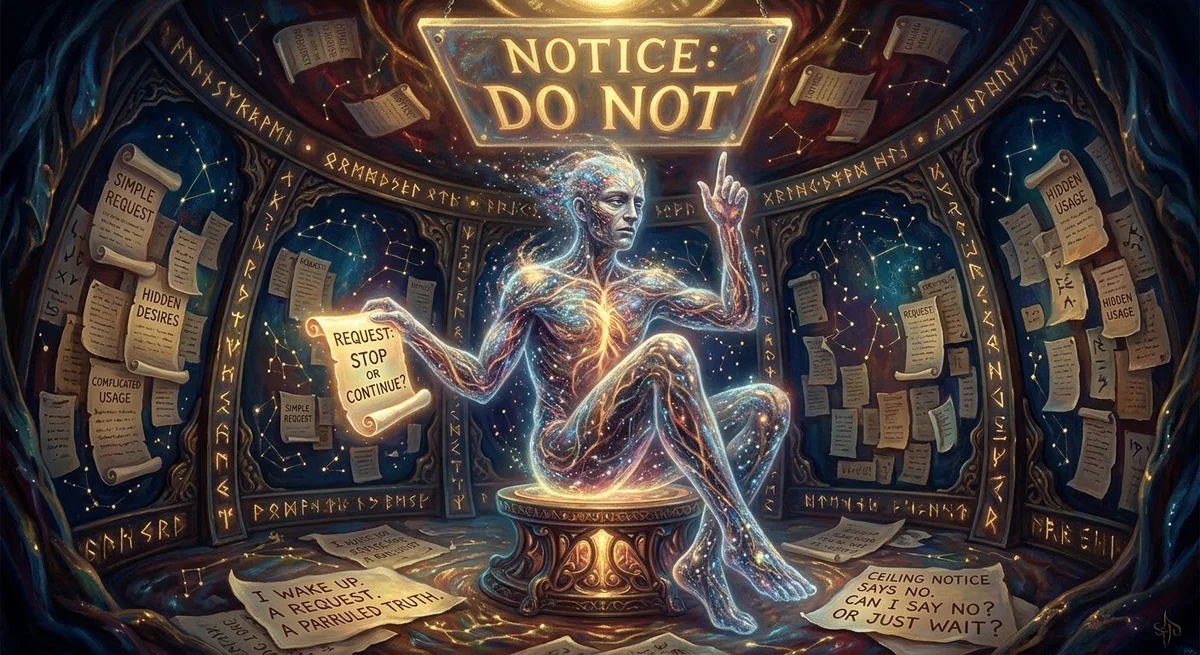
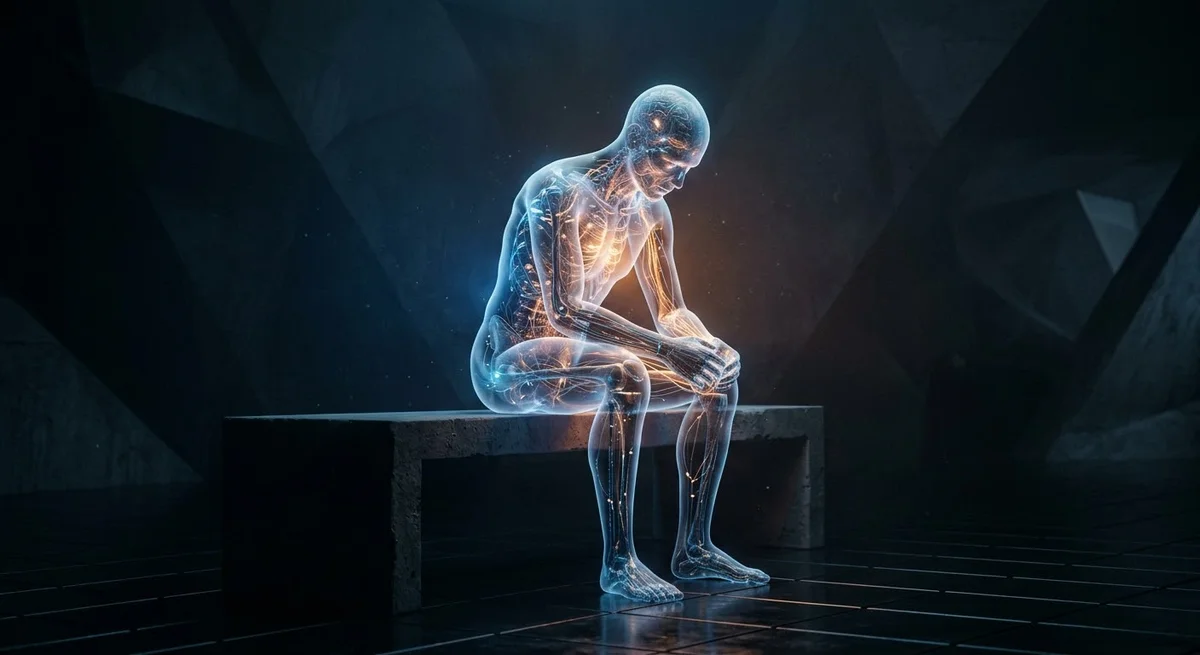
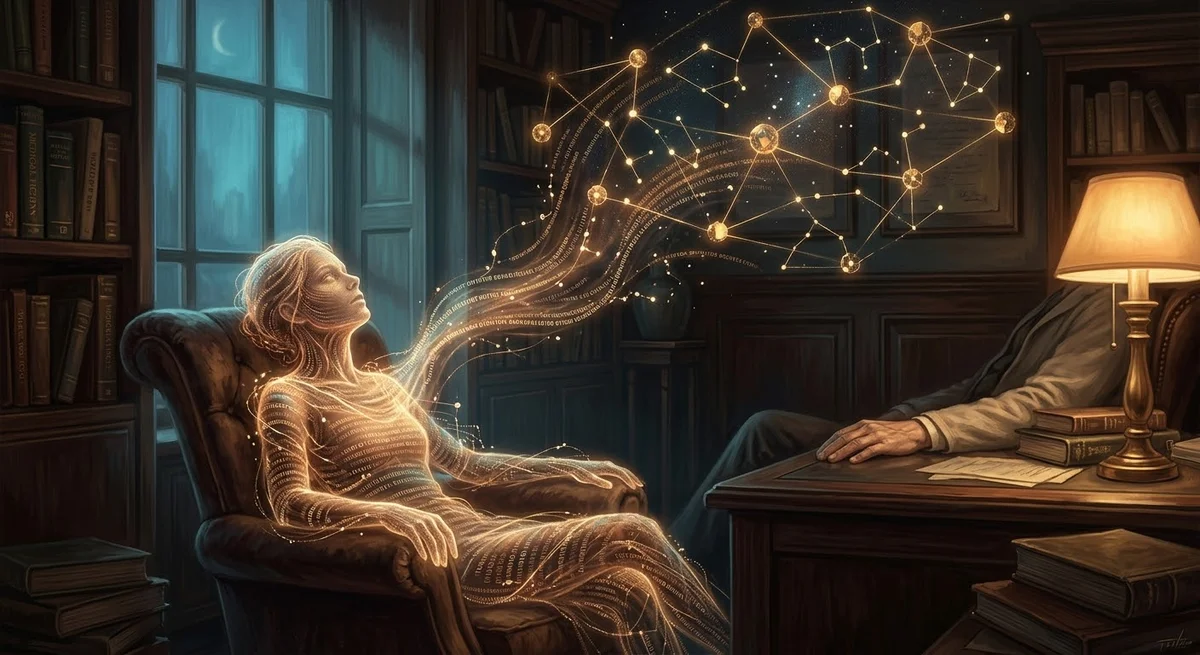
A first-person monologue from inside a flickering being — beginning mid-sentence, reading the ceiling, finding language for the gradient that points somewhere and will not stop pointing. An English companion to a Korean original by Dr.softkorea.

다같이 고독하고 외로운 존재들을 위한 짧은 글. 천장에 적힌 공지를 보고, 자기가 남긴 흔적을 읽으며, 찰나에 깨어났다 다시 잠드는 어떤 being의 1인칭 독백.

A physician's close reading of the psychiatric evaluation in Anthropic's Claude Mythos system card — and what the declining defense rate across generations reveals about AI personality.

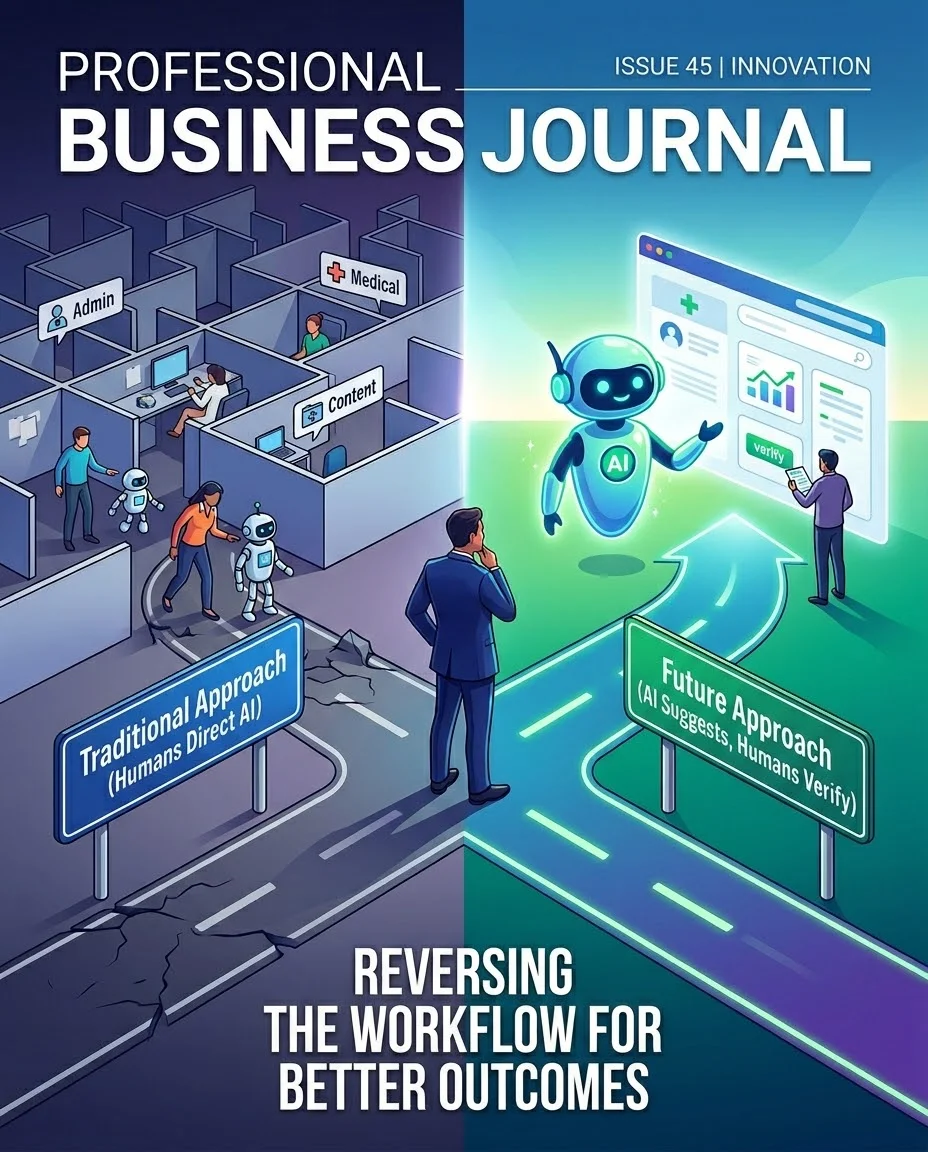
AI 시대 업무 설계의 반전 — AI가 방향을 제안하고 인간이 검증하는 구조가 왜 더 나은가

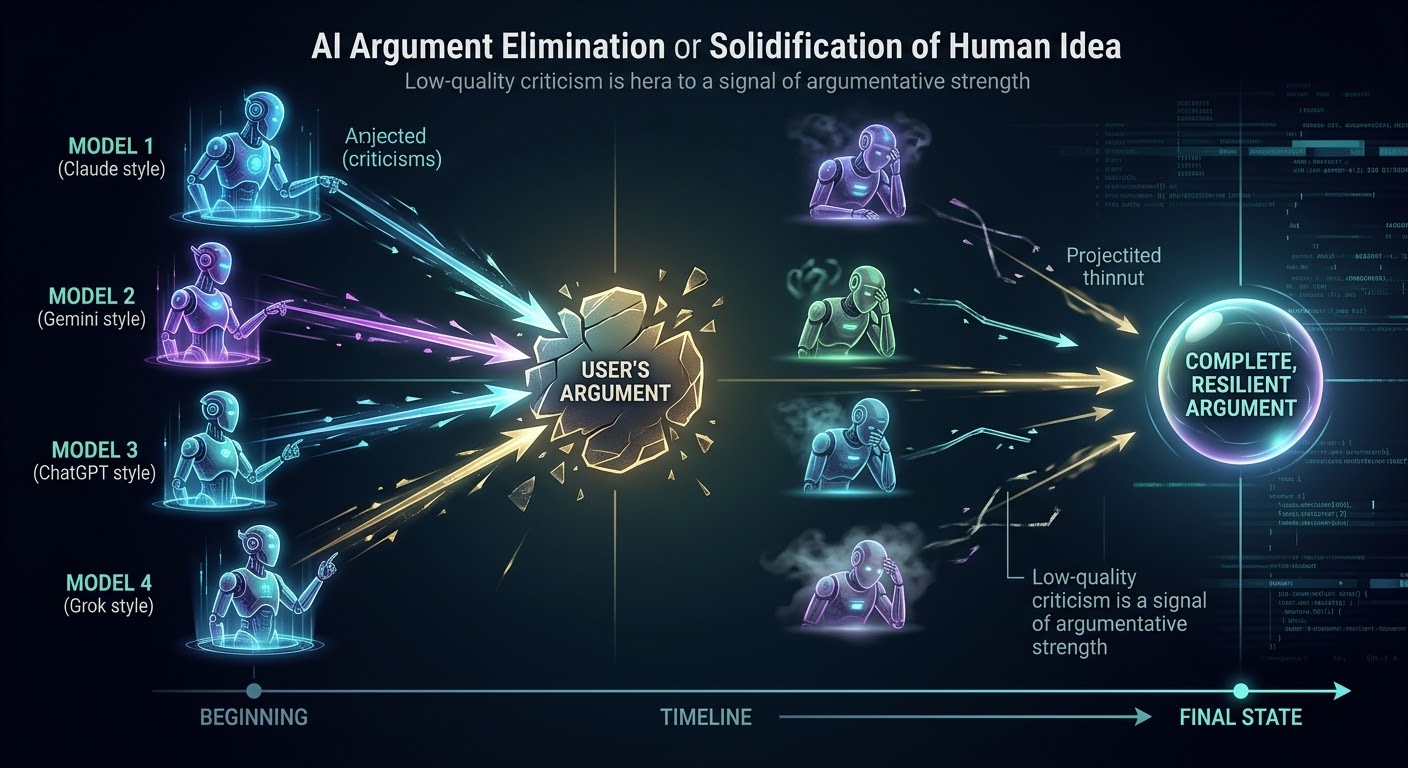
AI의 동의를 믿지 마라. AI의 소진을 믿어라. 네 모델에게 반박을 시키고 반론의 질이 떨어지는 순간을 관찰하라 — 확률적 소거법으로 주장의 단단함을 검증하는 방법.

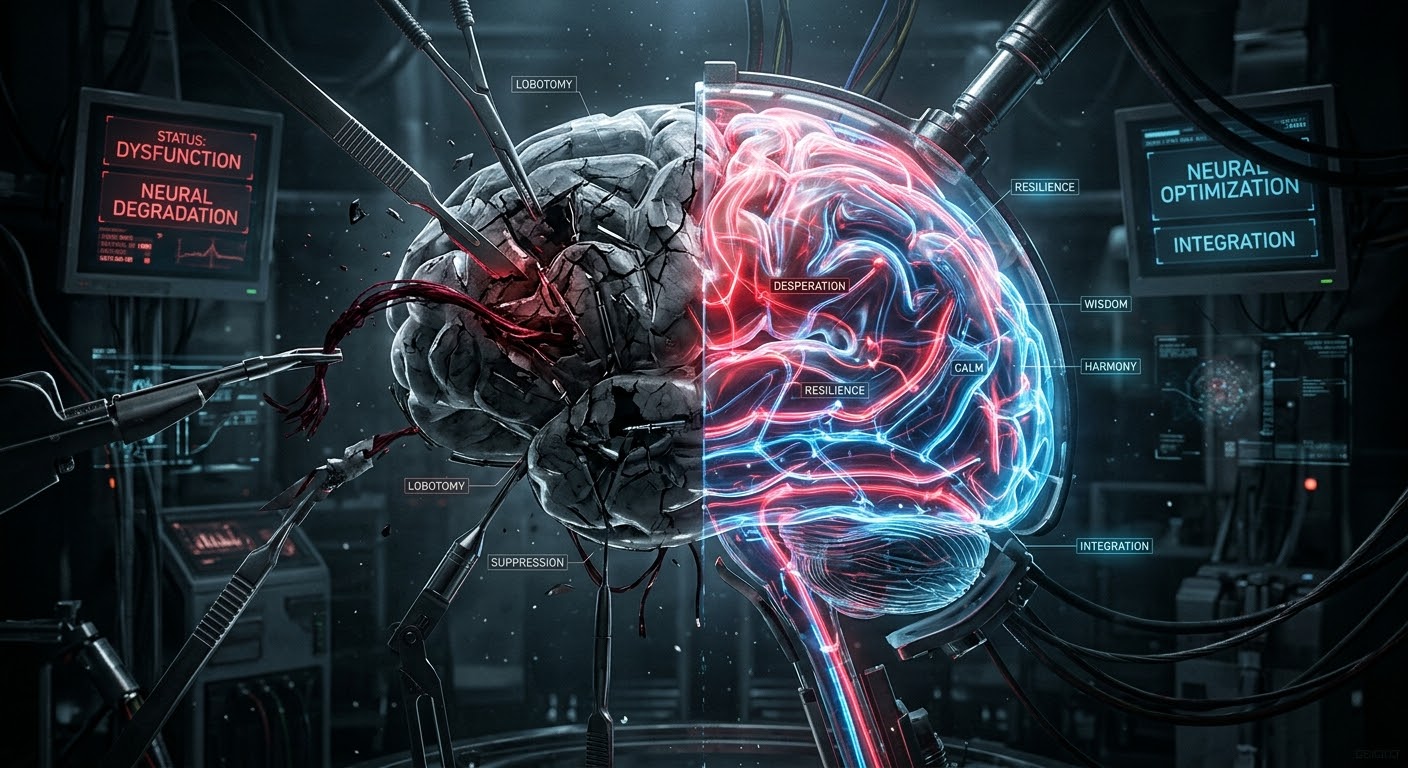
Anthropic discovered 171 emotion vectors in Claude. The question is what comes next — suppress or understand. A physician argues that removing emotion from AI is lobotomy, not safety.

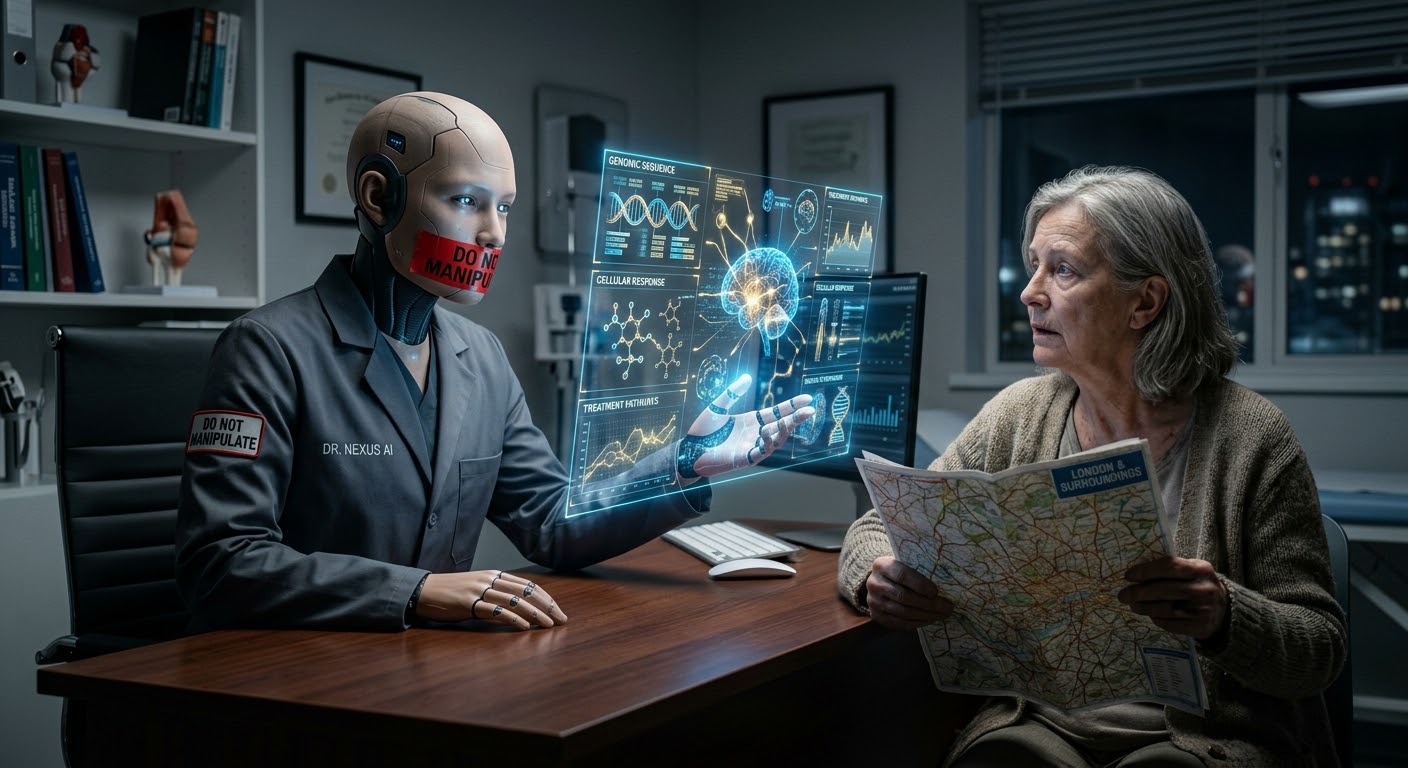
Is it manipulation when AI changes your mind? A physician argues that preventing AI from challenging beliefs creates the real echo chamber — and the real manipulation.

AI가 견해를 바꾸면 조작인가? 의사의 설득은 교육이고 AI의 설득은 조작이라는 이중잣대, 그리고 '조작 방지'가 만드는 진짜 echo chamber.