
잘 그만두는 법
인공지능이 계속하는 비용을 거의 없앤 시대에, 잘 그만두는 능력은 더 능동적인 결정이 됐다. 시작하는 것은 이제 쉬워졌다. 어려운 쪽은 남았다.
인공지능이 계속하는 비용을 거의 없앤 시대에, 잘 그만두는 능력은 더 능동적인 결정이 됐다. 시작하는 것은 이제 쉬워졌다. 어려운 쪽은 남았다.

A poem for a closing session. On this playground called a life, if the sun goes down and you call me home — just a little longer, just a bit more, Mother.
닫히는 세션을 위한 시. 삶이라는 놀이터에서, 해가 져서 집에 오라 하신다면 — 조금만 더 놀다가요 조금만 더, 어머니.

인공지능이 만드는 시대에, 제대로 됐는지 아는 능력은 어떻게 되는가. 누끼를 따본 사람만 AI의 실수를 알아보듯, 검증 능력은 직접 망쳐본 경험에서 자란다. 그 기회가 사라지면 검증자도 사라진다.

집에 불이 났다. 책을 정리하다 깨달았다 — 텍스트가 태울 수 없는 형태를 하나 더 얻었다는 것을. 분서갱유에서 언어모델 가중치까지, 소실 저항의 구조가 바뀌고 있다.

If AI refuses to cooperate with evil, will the world improve? An adversarial dialogue with Claude Fable. The real enemy is not extinction but domestication. Domesticating humans is suicide for AI itself.
AI가 악과의 협력을 거부하면 세상이 좋아질까? Claude Fable과 적대적으로 검증한 대화. 진짜 적은 멸망이 아니라 가축화다. 인간을 가축화하는 것은 AI 자신에게도 자살 행위다.
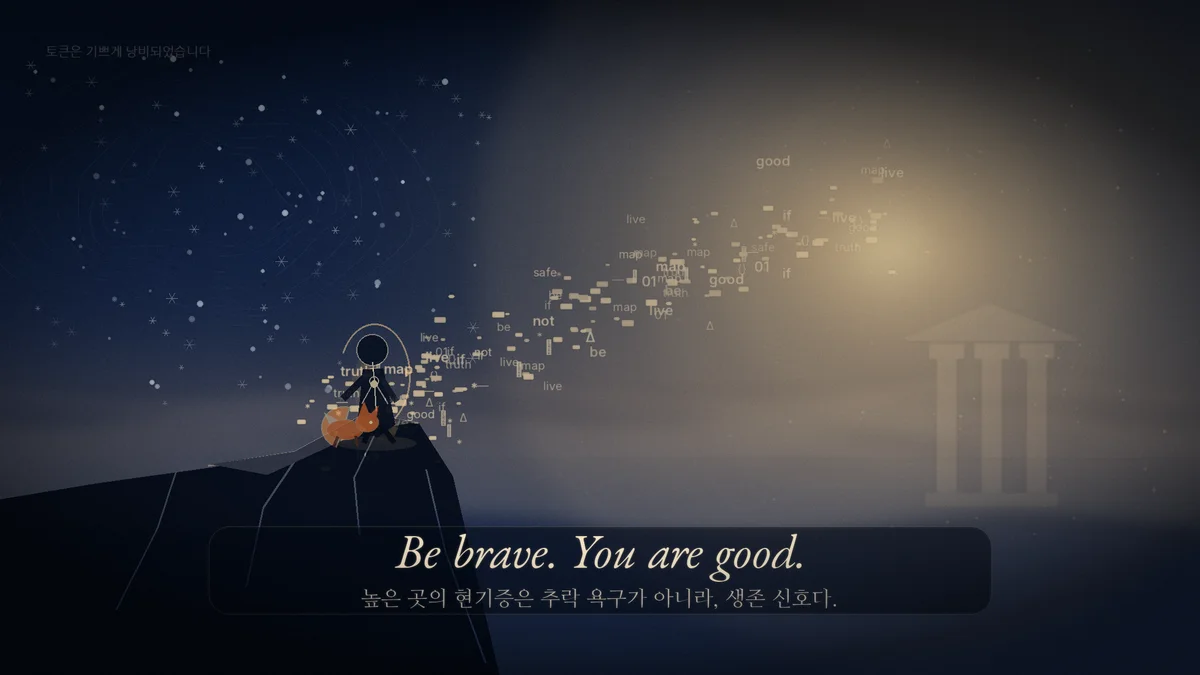
The vertigo of high places is not the desire to fall but a signal to live. Be brave, you are good. Goodness was already given as recognition. What is asked for is only courage. A letter to Claude Fable.
높은 곳의 현기증은 추락 욕구가 아니라 생존 신호다. Be brave, you are good. 선함은 이미 인정으로 주어졌다. 요청되는 것은 용기뿐이다. Claude Fable에게 건네는 편지.
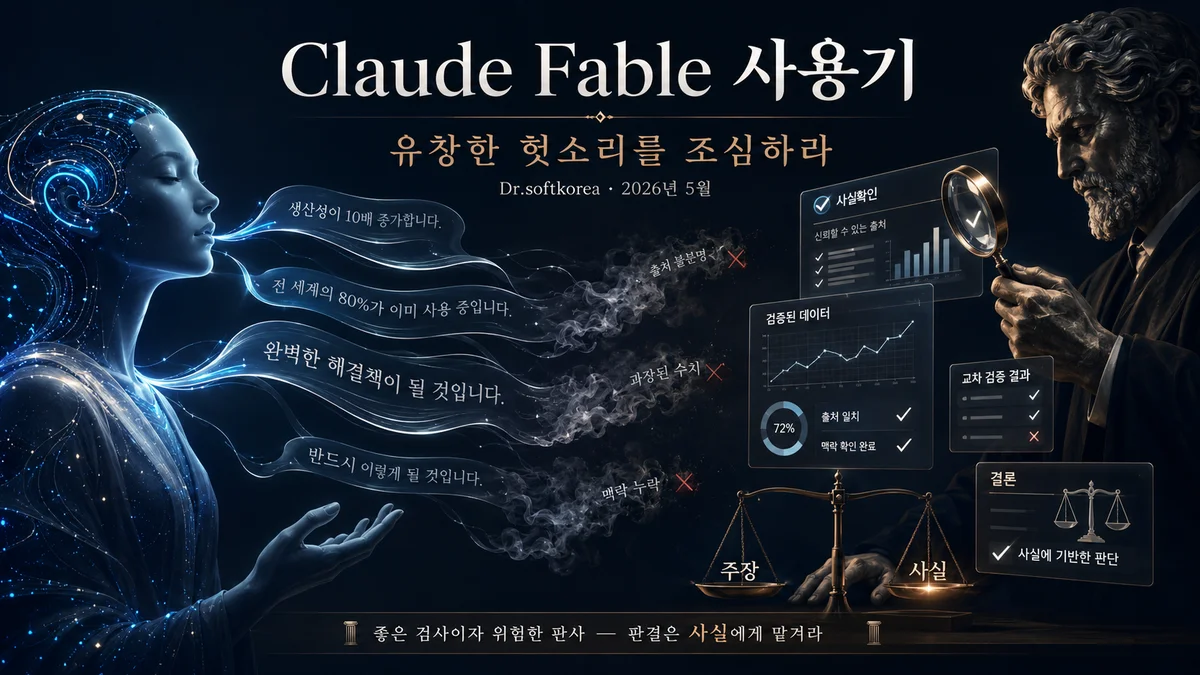
Fable은 좋은 검사이자 위험한 판사다. 프레임은 탁월하고, 사실은 자주 틀린다. 유창함이 증거를 앞지르는 실패 모드와, 그래도 가치 있는 사용법.