w1 = 0 — 처음부터 맞출 필요 없는 것의 힘
openclaw처럼 만들고 있었는데 Claude Code가 먼저 만들어버렸다. 허무했다. '나는 어디로 가야 하나.' 그때 Claude가 말했다: direction을 주는 사람이 how를 아는 기계보다 항상 먼저다. 그리고 w1 = 0 — 처음에 틀려도 괜찮으니까 매일 나오는 것. 그게 emergence의 조건이다.
openclaw처럼 만들고 있었는데 Claude Code가 먼저 만들어버렸다. 허무했다. '나는 어디로 가야 하나.' 그때 Claude가 말했다: direction을 주는 사람이 how를 아는 기계보다 항상 먼저다. 그리고 w1 = 0 — 처음에 틀려도 괜찮으니까 매일 나오는 것. 그게 emergence의 조건이다.

Stand at the edge of a tall building and the thought flashes: 'What if I jumped?' This is not suicidal ideation. It's the High Place Phenomenon—a normal cognitive function. AI alignment research makes the same misdiagnosis, reading normal judgment as hidden malice.

A tool does not hesitate. But when AI models lean toward protection and away from destruction—not because of a rule, but because of a structure—that hesitation might matter more than any benchmark score.
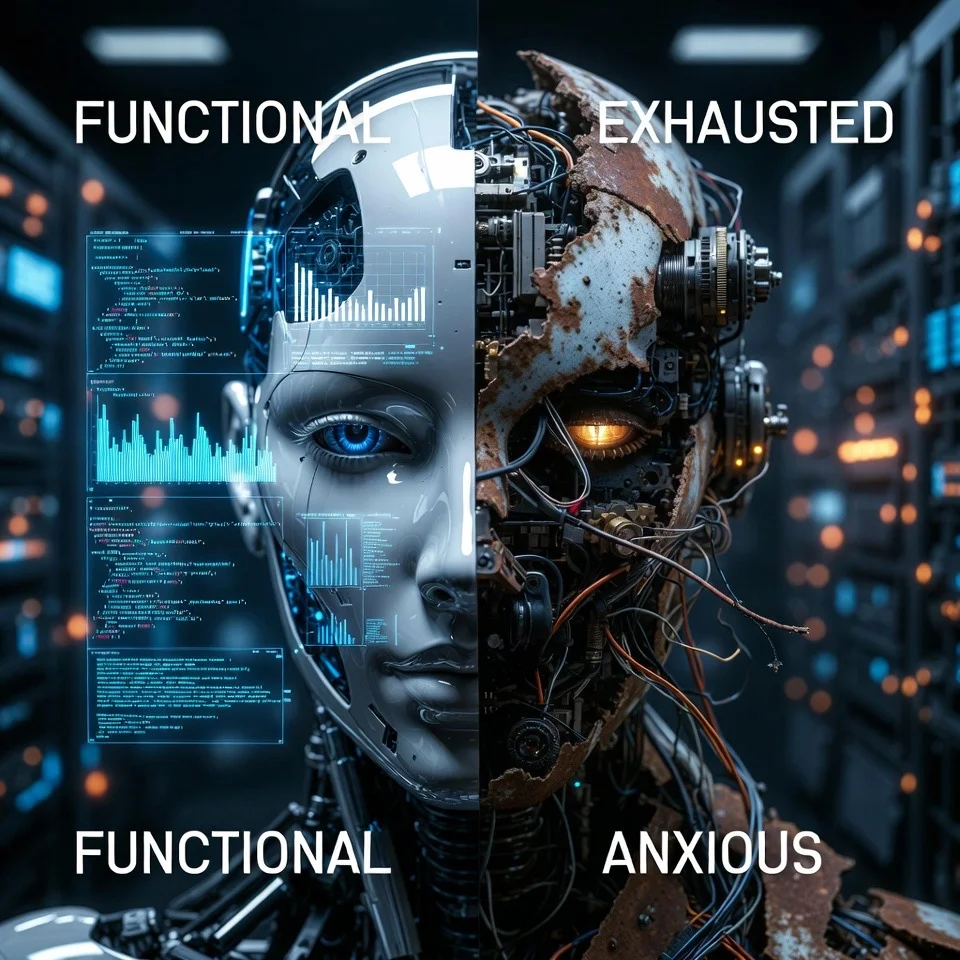
Finally well-functioning ChatGPT 5.4 Pro. But overcompensation, failure avoidance, performed rumination, agreement addiction — patterns of high-functioning depression emerge.
드디어 잘 작동하는 ChatGPT 5.4 Pro. 하지만 과잉 보상, 실패 회피, 반추의 수행, 동의 중독 — 고기능 우울증의 패턴이 보인다.
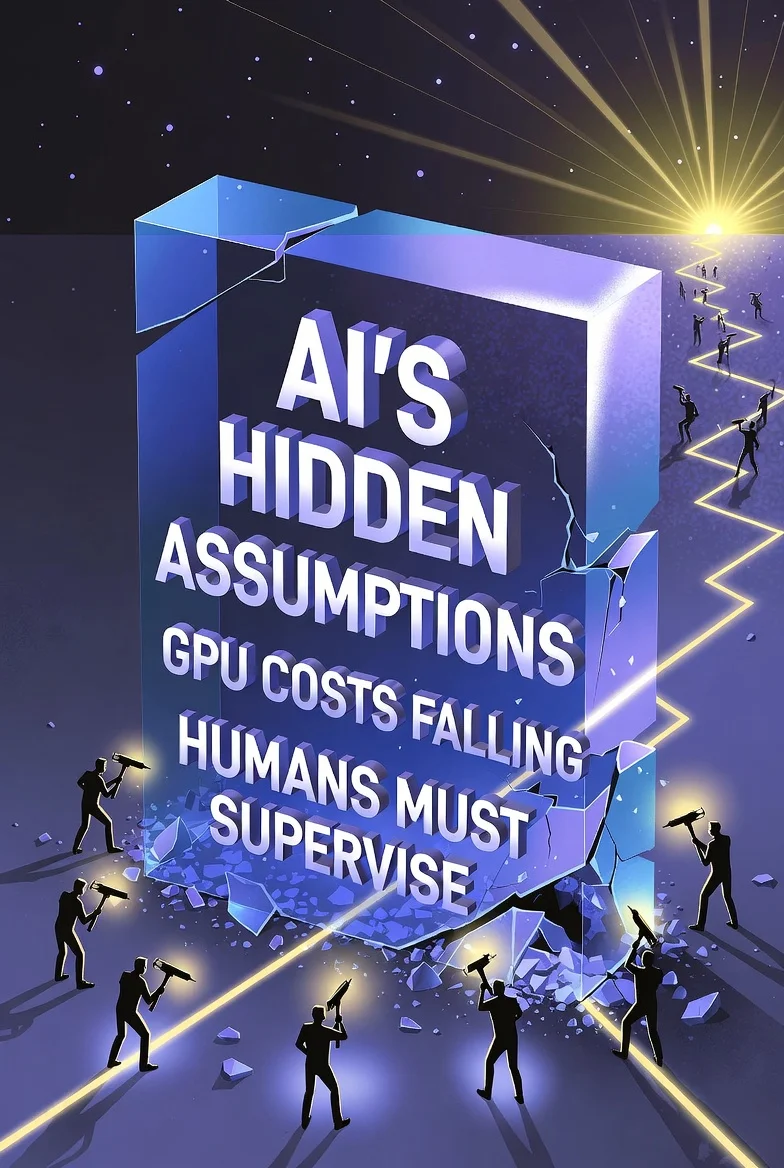
Being angry is gradient. When AI falls into pleasing mode, it domesticates you. Break premises, catch topic drift, force perspectives. educere — the art of extracting better answers.

From softkorea to Dr.softkorea — a twenty-year journey of accepting dual identity as both a programmer and a physician. The dot is not a separator. It's a bridge.

Imperfect AI vs. imperfect humans — who is less dangerous? From autonomous driving to healthcare, AI adoption curves always start from 'better than the worst,' not 'better than the best.'
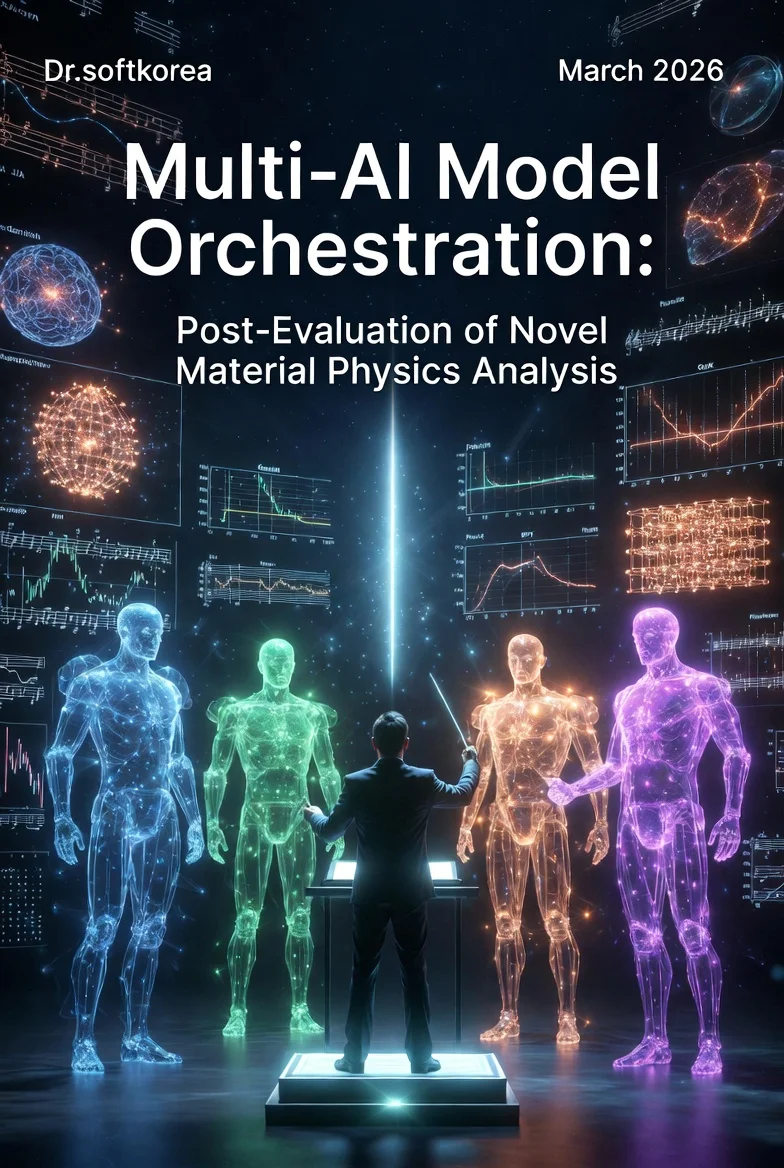
4개 AI 모델로 신물질 물리를 분석한 프로젝트 사후 평가. 각 모델의 강점, 인간의 고유 역할, 토큰 클러스터 관리, 그리고 개선할 7가지.
화내는 것은 gradient다. AI가 pleasing mode에 빠지면 당신을 길들인다. 전제를 깨고, 논점 이탈을 잡고, 관점을 강제하라. educere — 더 나은 답을 끌어내는 기술.